Scaled Content Abuse in 2026: Running pSEO Casino Sites Without Triggering Google's Penalty
What exactly is scaled content abuse under Google's 2026 spam policies?
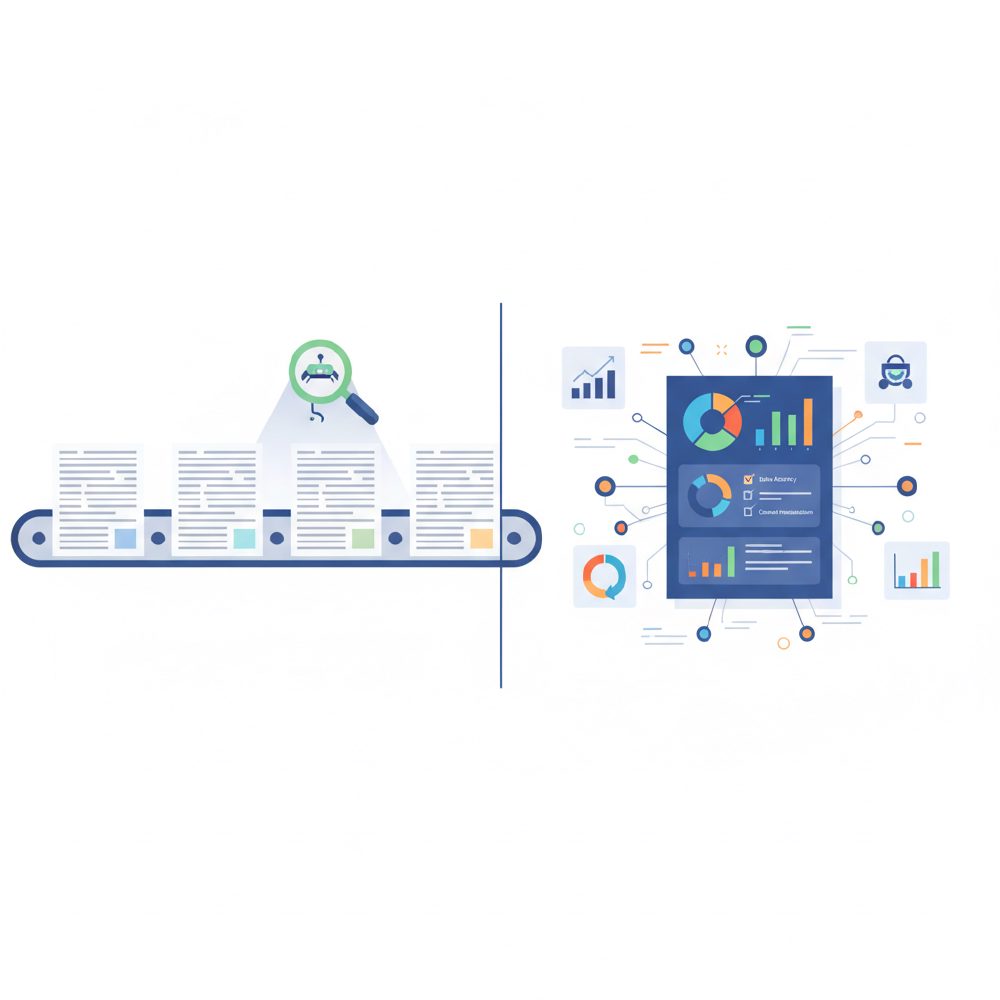
Scaled content abuse is Google's spam-policy term for mass-producing pages, by any method, including AI, templates, or outsourced writers, where the primary purpose is manipulating rankings rather than serving a genuine search need. Folded into core ranking systems since the March 2024 update, it now triggers manual actions and algorithmic demotions across whole site sections, not just individual URLs.
Google separated this from classic 'thin content' guidance deliberately. The policy text, introduced alongside the March 2024 spam update, names three production methods as equally punishable: human-written templated content, AI-generated content, and content scraped or lightly rewritten from other sources. The common thread isn't the tool used to write it, it's the pattern of producing pages at a scale that outstrips any genuine editorial capacity to add original value.
For gambling affiliates this landed hard because pSEO has been a growth engine in the niche for a decade: state-by-state casino comparison pages, operator-x-bonus-type matrices, slot RTP databases. I've reviewed Search Console manual action reports since April 2024 that literally say 'Scaled content abuse' under entire /reviews/ or /casinos/ subfolders, not single URLs. One multi-market sweepstakes casino portfolio I audited lost roughly 70% of indexed URLs in three weeks after a 1,200-page state/game combinator rollout.
The practical definition I use with clients: if you removed the variable swapped between pages (state name, operator name, game name) and the remaining text is identical, you've built a scaled content abuse target, not a programmatic SEO asset.
How does Google detect mass page generation on casino and betting sites?
Google combines SpamBrain's pattern detection, template fingerprinting and embedding-based similarity clustering, with crawl behavior signals: pages that get indexed but never earn clicks, spikes in 'Discovered, currently not indexed' status, and URL growth that massively outpaces referring-domain growth. Human quality raters then sample flagged clusters for manual actions.
SpamBrain doesn't read every page like a person. It clusters pages by structural and semantic similarity using embedding models, so 3,000 'best online casino in [state] 2026' pages with the same six paragraphs and swapped state names get grouped as effectively one page duplicated 3,000 times. That clustering is what shows up in Ahrefs Site Audit or Screaming Frog as 'near-duplicate content above 85% similarity', and it's the single clearest pre-penalty warning sign I check first in any pSEO audit.
The second signal is velocity mismatch. When a domain's indexed URL count grows 300-500% in a quarter while referring domains grow single digits, that ratio alone is enough to get a subfolder flagged for templated-content review. I pull this from GSC's Pages report crossed against Ahrefs' Domain Rating history, if the lines diverge sharply, I treat it as a live risk, not a hypothetical one.
Log file analysis adds the third layer: Googlebot hitting thousands of new URLs with sub-second server response but near-zero subsequent organic clicks in Search Console is the crawl-behavior fingerprint of a page that got indexed on trust from the domain, then immediately deprioritized once content similarity was confirmed.
Where does thin content gambling risk hide inside a normal pSEO template?
Risk hides in the boilerplate blocks, bonus-terms disclaimers, 'how we review casinos' paragraphs, generic FAQ sections, that repeat verbatim across thousands of state, operator, and game permutations. If 80%+ of a page's words are templated and only the entity name changes, similarity models treat it as one duplicated page regardless of how many unique URLs exist.</p>
Run the math on a typical casino comparison template: a 1,500-word 'review' page often breaks down to roughly 200 words of genuinely operator-specific detail (bonus amount, licensing body, game count) and 1,300 words of reusable structure, responsible gambling disclaimers, generic payment-method descriptions, boilerplate 'why trust us' copy. That's an 87% boilerplate ratio, well inside the zone where I've seen manual actions land.
I flagged this pattern on a client's state-by-state sweepstakes casino hub in 2024: 3,000 pages generated from a state + game-type matrix, differentiated only by a headline and a bonus percentage pulled from a spreadsheet. Google's manual action notice cited the exact subfolder within six weeks of the batch going live. The fix wasn't deleting the pages, it was rebuilding the data layer so each page carried real state-specific facts: local sweepstakes legality status, state tax treatment of prize redemptions, and regional payment rail availability.
Set a hard internal rule: no template ships without at least 40-60% of its word count tied to a per-entity data point that actually changes page to page. If your CMS can't report that ratio, you don't have visibility into your own risk.
What's the real difference between scalable programmatic SEO and scaled content abuse?
Legitimate programmatic SEO scales a genuine per-entity data layer, licensing numbers, live RTP, verified payout speeds, through a template, so every page answers a distinct question. Scaled content abuse scales the sentence structure, not the data; the template exists to multiply URLs, not to serve a different search intent.
I draw this line with clients using five signals, laid out below. None of them is about page count alone, Google has indexed sites with 50,000 legitimate programmatic pages (flight-comparison sites, job boards) without issue. The difference is always in what varies between pages.
The growth-ratio signal matters most for affiliate due diligence. If your backlink profile and entity coverage (new states regulating, new operators licensing) are growing in step with your page count, you're scaling coverage. If page count is the only line moving on the graph, you're scaling risk.
| Signal | Legitimate pSEO | Scaled content abuse |
|---|---|---|
| Data source | Licensed/proprietary feed updated on a schedule (odds API, RTP registry, state gaming commission data) | Static boilerplate reworded with a swapped name or number |
| Unique content ratio | 50-70%+ of words tied to a per-entity fact | Under 20% unique; rest is templated disclaimer/structure |
| Search intent match | Each URL answers a question a real searcher would ask separately | Variables swapped purely to multiply indexable URLs |
| Editorial oversight | Human review and byline per publishing batch | Fully automated publish with no review gate |
| Growth ratio | Page count tracks entity coverage and backlink growth | Page count outpaces referring domains and entity coverage by 10x+ |
Which pSEO page types get hit hardest in gambling affiliate portfolios?
The highest-risk templates are state-by-state 'best casino' pages with no local licensing detail, operator-x-payment-method combinator URLs, and city-level location pages for an online-only vertical where no real local relevance exists. These show the clearest 'swap one variable, repeat everything else' fingerprint.
City-level pages are the worst offender I see in gambling pSEO audits. Online casino and sportsbook access doesn't vary by city within a licensed state, there's no genuine local relevance to justify '/online-casino-austin', '/online-casino-dallas', and '/online-casino-houston' as separate pages beyond the city name. I recommend merging these into the state hub entirely rather than trying to patch them with filler.
Operator-x-payment combinator pages ('[Casino]-PayPal-deposit', '[Casino]-Skrill-withdrawal') are almost always generated algorithmically from a matrix, producing hundreds of near-identical URLs. These convert reasonably when they rank, which is exactly why teams keep building them, but they're also the pattern SpamBrain's clustering model is tuned hardest against.
| Page type | Example URL pattern | Risk level | Why it gets flagged | Fix |
|---|---|---|---|---|
| State x vertical pages | /best-online-casino-[state]-2026 | High | No state-specific licensing, tax, or payment detail | Add regulator name, license number, local payment rails, tax notes per state |
| Operator x payment combinator | /[casino]-[paypal]-deposit | High | Combinatorial URLs with near-zero unique text | Consolidate into one filterable hub page with structured data |
| City-level location pages | /online-casino-[city] | Very high | Online gambling has no genuine city-level relevance | Remove or 301-merge into the state hub |
| Game x RTP pages | /[slot-name]-rtp-2026 | Medium | Data can be genuinely unique if sourced from real RTP registries | Pull live RTP data and cite the provider/source explicitly |
| Operator review pages | /[operator]-review | Low-medium | Fine if first-hand tested; risky if templated opinion text | Require deposit/play testing notes, screenshots, licensing verification |
How do you build a pSEO template that survives a core update?
Build the template around a verified, per-entity data source first, then write content around the gaps in the data, never the reverse. Cap output at a rate editorial can actually review, require a unique data block worth at least 300-400 words of non-boilerplate specifics, and gate publishing behind an internal QA checklist before indexing.
Step one in every rebuild I run: identify the data source before touching the content template. For a casino review matrix, that means a licensed odds feed, a state gaming commission license lookup, or an internal testing database logging real deposit and withdrawal timestamps, not a spreadsheet of marketing copy swapped across rows.
Step two: set a minimum unique-word threshold per page (I use 300-400 words of genuinely per-entity fact as the floor) and make your CMS refuse to publish below it. Step three: require human sign-off on a sample of every batch, 10% minimum, 100% for the first few batches of any new template until you trust the output. Step four: stagger the rollout. Publish 50-100 pages a week instead of 5,000 overnight, and watch the GSC index coverage ratio on each batch before releasing the next.
Step five, and the one teams skip: noindex low-priority combinator pages (payment-method variants, duplicate city pages) until they're enriched with real data, rather than letting them sit indexed and dragging down the cluster's average quality score.
What data layer actually makes 5,000 pages unique instead of thin?
A real data layer pulls per-entity facts that change page to page, live RTP percentages, licensing numbers by jurisdiction, verified payout speeds, withdrawal limits, wagering requirements pulled from actual T&Cs, and first-hand testing notes. If stripping the template away leaves zero unique facts, the page is thin regardless of word count.
Concrete sources I use in client builds: state gaming commission license lookups (New Jersey DGE, Michigan Gaming Control Board, UK Gambling Commission public register, Malta MGA license database), third-party odds and RTP feeds (realistic cost range $500-3,000/month depending on coverage and refresh rate), and internal QA logs from staff who actually deposit, play, and withdraw at each operator on a recurring schedule.
A 300-400 word block built from five or six verified facts, exact withdrawal processing time in business days, current welcome bonus wagering multiplier, specific license number, supported state list, will outrank and outlast a 1,500-word reworded boilerplate review every time I've tested it. Word count was never the signal Google cared about; fact density per page is.
Budget for this properly: a mid-size casino affiliate portfolio rebuilding 2,000 pages around a real data layer typically runs $15,000-40,000 in data licensing, QA testing hours, and editorial review across a 3-4 month rebuild, based on projects I've scoped. That's expensive compared to a pure template-and-spin approach, but it's the cost of the pages still existing in six months.
How fast can you scale pages without tripping Google's spam systems?
There's no fixed cap, but I've seen portfolios survive scaling 2,000-5,000 well-sourced pages over 4-6 months, roughly 100-200 pages a week, while similarly sized batches published in a single week triggered scaled content abuse manual actions within days. Pace growth to match crawl budget and backlink velocity, not CMS publishing capacity.</p>
Crawl budget is the practical throttle. If Googlebot's historical crawl rate on your domain supports indexing 150 new URLs a week, publishing 3,000 overnight just produces a backlog of 'Discovered, currently not indexed' pages in GSC, itself a warning flag reviewers and SpamBrain both weight. I monitor that exact report after every batch; if the indexed ratio on a new cohort drops below 50% within two weeks, I pause the rollout and investigate before publishing the next batch.
Log file analysis (Screaming Frog Log File Analyser or a raw server log pull) tells you the same story earlier. If Googlebot is hitting new URLs but your analytics show zero subsequent organic sessions after 30 days, that's the pattern that precedes a cluster-level demotion, not an isolated URL issue.
What does recovery from a scaled content abuse penalty actually look like?
Recovery means pruning or rebuilding the offending templates, not waiting it out. Reconsideration requests for manual actions typically get a response in 7-14 days, but algorithmic demotion from core and spam systems can take 2-4 months to lift, and traffic rarely returns to pre-penalty levels on the same unmodified template.
I run recovery in five phases with clients, and the biggest mistake I see is skipping straight to the reconsideration request without fixing the underlying pattern, Google rejects those within days and you lose another two-week cycle.
Expect partial, not full, recovery. Across the manual actions I've handled since 2024, 30-60% of lost organic traffic returning within four months on the rebuilt template is the realistic range. Full restoration usually requires the next core update cycle to confirm the fix algorithmically, not just the manual action lift.
| Phase | Timeframe | Action | Expected signal |
|---|---|---|---|
| Diagnosis | Week 1 | Audit GSC manual actions + Ahrefs/SEMrush traffic drop by URL pattern | Affected subfolder(s) identified |
| Triage | Weeks 2-3 | Noindex or remove lowest-value combinator and city pages; keep data-backed pages | Index coverage ratio stabilizes |
| Rebuild | Weeks 3-8 | Add unique data layer, require editorial review, submit reconsideration | Manual action typically lifted 7-14 days post-submission |
| Monitoring | Months 2-4 | Track impressions recovery in GSC; watch for next core update confirmation | 30-60% of lost traffic typically recovered |
| Re-scale | Month 4+ | Resume page growth at a slower, data-backed pace | Sustainable growth without re-triggering the pattern |
Why does scaled content abuse also wipe out AI Overviews and ChatGPT citations?
Answer engines increasingly run entity-consistency checks before citing a source; template-duplicated pages fail these checks because they repeat near-identical claims across hundreds of URLs, which reads as low-confidence, non-authoritative content to retrieval systems. I've watched client share-of-voice in AI Overviews drop to zero within the same crawl cycle as a manual action.
AI Overviews, Perplexity, and Copilot all retrieve candidate sources through indexes that overlap heavily with the signals Google's core and spam systems already use. When a slot RTP page and 400 near-identical siblings disagree slightly on a fact, one says 96.1% RTP, another says 96.4% for the same listed game because the data was never centralized, the retrieval layer sees contradictory entity data under the same domain. That reads as a trust failure, not just a content-quality one, and LLMs default to citing fewer, higher-confidence competitors instead.
The fix overlaps almost completely with the Google-safe rebuild: centralize facts in one verified data source, expose them with Review, FAQPage, and Organization schema so the entity graph stays consistent across every page that references it, and keep an author byline with Person schema and a visible last-reviewed date. In audits I've run on recovering clients, restoring entity consistency across a rebuilt template brought AI Overview citation share back within 6-10 weeks of the rebuild going live, notably faster than full organic traffic recovery in classic search.
What technical architecture separates a penalized pSEO folder from an authoritative programmatic hub?
The difference is structural. A penalized folder is a flat list of orphaned URLs dumped into an XML sitemap. A surviving hub uses hub-and-spoke internal linking, a visible methodology page, breadcrumb and ItemList schema, and an editorial layer, author, review date, sourcing, that ties every spoke page back to a trusted pillar.
I restructure every recovering pSEO portfolio into a pillar-and-spoke hierarchy: /casino-reviews/ as the pillar linking to /casino-reviews/[state]/ hubs, which link to /casino-reviews/[state]/[operator]/ spokes. Flat URLs like /best-casino-texas-2026 sitting with no internal links from a topical hub are exactly the orphaned-page pattern Ahrefs Site Audit flags as a crawl-efficiency and trust problem before Google's own systems act on it.
Every spoke page should link back to a methodology page explaining how reviews are tested, and every author byline should carry Person schema with sameAs links to a real LinkedIn profile, not a generic 'Editorial Team' credit. That combination of structural hierarchy plus visible editorial accountability is what I've seen separate 10,000-page affiliate hubs that survived the March 2024 update from ones that lost 80%+ of their indexed URLs in the same cycle.






Comments
No comments yet, be the first.