AEO for iGaming
How iGaming brands earn citations from ChatGPT, Perplexity, Gemini and Google AI Overviews in 2026.

Getting an iGaming brand cited by ChatGPT, Perplexity, Gemini or Google's AI Overviews comes down to making content machine-extractable and machine-trustworthy at the same time: a direct, unambiguous answer stated early, explicit structured data confirming what the page is and who wrote it, and enough demonstrated authority that the model's retrieval and ranking layers pick this source over the dozen others making similar claims about the same casino or sportsbook. Answer Engine Optimization isn't a separate discipline bolted onto SEO; it's what SEO looks like once you account for the fact that a meaningful share of research-stage queries now get answered by a generative system before the user ever clicks through to a traditional result.
What makes a page machine-extractable
Most consumer AI answer engines run some form of retrieval-augmented generation: a query triggers a search or index lookup, candidate pages get pulled, passages get extracted, and the model synthesizes an answer citing a subset of what it retrieved. What gets selected for extraction tends to share structural traits. The direct answer to the implied question sits near the top of the page rather than three paragraphs into a narrative introduction, comparisons are presented in explicit, parseable formats such as tables and ranked lists with clear criteria rather than buried in prose, and the page unambiguously answers one clear question rather than meandering across five loosely related topics. A page that makes a model do interpretive work to extract the answer is a page that model is less likely to cite, because there's usually a competing page somewhere that made the answer easier to lift. A page answering whether a given operator is legal in a specific province, buried under a hedge-heavy paragraph, loses to a competitor that states the licensing status plainly in the first two sentences and backs it with a dated source, even if the buried page is technically more thorough.
The schema types that do the work
Structured data does concrete work here, not just theoretical SEO hygiene. FAQPage schema gives a model machine-readable question-answer pairs to extract directly. Article and Review schema confirm authorship, publish and update dates, and, for review content, explicit rating criteria. Organization and Person schema tie claims to a verifiable entity rather than an anonymous domain, which matters because both Google's systems and LLM providers have been increasingly explicit about weighting source credibility when multiple pages make overlapping claims. For a casino or sportsbook comparison page specifically, that means schema-marked ratings, clearly dated last-verified fields for licensing and bonus data, and FAQ blocks that mirror the actual questions users type into ChatGPT, things like whether a given operator is licensed in a specific province or what its fastest payout method is, rather than generic SEO-keyword phrasing.
Source authority and the citation credibility bar
Source authority carries extra weight in gambling-adjacent AEO because these are exactly the kind of queries where AI providers have strong incentives to be conservative about which sources they surface. Inaccurate information about licensing, payout reliability or bonus terms creates real downstream harm, similar to the reasoning behind Google's YMYL classification. That means the credibility bar an iGaming site needs to clear to get cited by an answer engine looks a lot like the E-E-A-T bar Google already applies: named credentialed authors, transparent editorial and disclosure policies, primary-sourced data such as regulator licensing databases and verified payout testing rather than recycled secondary claims, and a consistent publishing history that signals the site isn't a one-off content farm. This is also why aggregated, unattributed top-ten listicle content is losing ground in AI-generated answers even when it still ranks reasonably well in classic search results; the model has no way to verify who is behind the claim, so it defaults to a source it can attribute.
Building AEO into existing pillar content
In practice, we build AEO into existing pillar and cluster content rather than treating it as a separate content type. That means restructuring pillar pages so the core direct answer, naming the specific top casinos or sportsbooks and the criteria behind the ranking, appears in the opening paragraph, adding structured FAQ blocks addressing the specific long-tail questions users are asking conversational assistants, implementing comparison tables with explicit, consistent criteria, and maintaining visible freshness signals such as last-updated dates and changelogs for bonus or licensing updates, since answer engines appear to weight recency heavily for time-sensitive gambling data like odds, bonuses and license status.
Measuring citations and long-term durability
Measuring AEO performance is still less standardized than classic rank tracking, but it's not immeasurable: monitoring branded and query-specific citations across ChatGPT, Perplexity and Google AI Overviews, tracking referral traffic patterns from AI platforms in analytics, and watching how competitor citations shift as content gets restructured all give a working signal. The bigger point is durability. The same structural changes that earn AI citations, meaning clear answers, real data and verifiable authorship, are also exactly what strengthens classic organic rankings and survives core updates, so AEO investment for an iGaming brand isn't a bet on a separate channel. It's a compounding upgrade to the content the brand already needs to have. We treat a monthly citation audit, checking how the client's key pages perform across ChatGPT, Perplexity and AI Overviews for a fixed query set, as a standing part of the retainer, the same way rank tracking has always been standard for classic SEO.

Written by James Whitlock, iGaming SEO Strategist
Explore our insights
 guide
guide
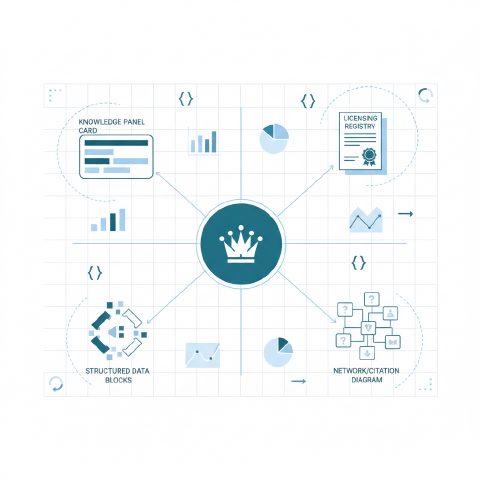
Brand-SERP & Entity SEO for Casinos: Knowledge Panel, Wikidata & AI Citation
Drawing on volatility tracking across 60+ casino brand SERPs through the 2026 core updates, I break down how knowledge panels, Wikidata records and schema markup determine whether a casino brand survives algorithm shifts and gets cited by AI engines.
 guide
guide
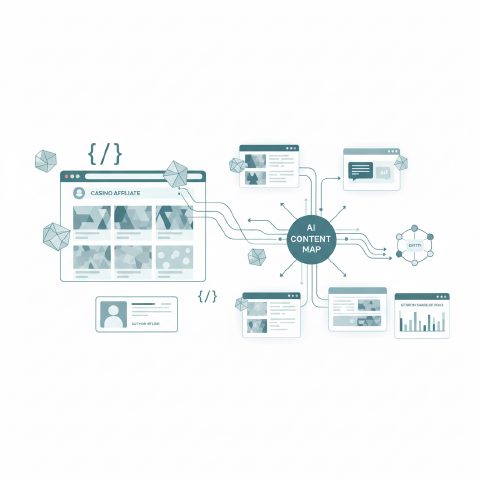
Get Your iGaming Brand Cited in LLM Answers (ChatGPT · Gemini · Perplexity · Grok)
Elena Ricci breaks down how ChatGPT, Gemini, Perplexity and Grok actually select gambling sources to cite, and the specific llm seo igaming moves, entity cleanup, bylines, structured comparison content, that turn near-zero AI visibility into measurable share of voice.
 comparison
AI Overviews for Gambling Queries: How to Win the Citation (Commercial vs Informational)
A compliance-first breakdown of how Google AI Overviews, Perplexity, ChatGPT and Gemini select and cite gambling sources, and the distinct content, schema and E-E-A-T playbook needed to win the citation on commercial versus informational queries in 2026.
listicle
iGaming SEO Predictions for 2027: AI Search, Regulation & What Wins
Elena Ricci breaks down where igaming SEO is heading by 2027: AI-mediated discovery overtakes classic ranking, YMYL scrutiny tightens further, and entity trust becomes the currency that decides who gets cited.
 guide
guide
Block or Allow AI Crawlers on Your Casino Site? (robots.txt for GPTBot)
James Whitlock breaks down exactly which AI crawlers casino affiliates should allow, block or rate-limit in 2026, with working robots.txt rules for GPTBot, Google-Extended and llms.txt.
 comparison
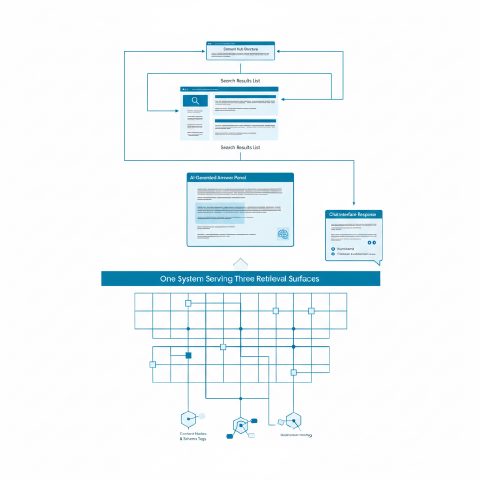
AEO vs GEO vs SEO for iGaming: What's the Difference?
AEO, GEO and SEO aren't three separate content strategies for iGaming affiliates, they're three retrieval layers sitting on top of the same architecture. Here's how to build that architecture once and win citations across Google, AI Overviews and LLM chat interfaces without tripling your content spend.
 landing
AEO for iGaming: Get Your Casino Brand Cited by ChatGPT & Perplexity
I run SEOiGaming Agency's data lab, and this is what our citation-tracking panel actually found when we measured which casino and affiliate pages ChatGPT, Perplexity and AI Overviews chose to quote, and why most igaming sites still lose that fight.
Free: iGaming SEO & AEO playbook
Get our latest search & AI-visibility playbook by email, no spam.