Peru Online Casino SEO in 2026: Claiming Authority Before the Market Gets Crowded
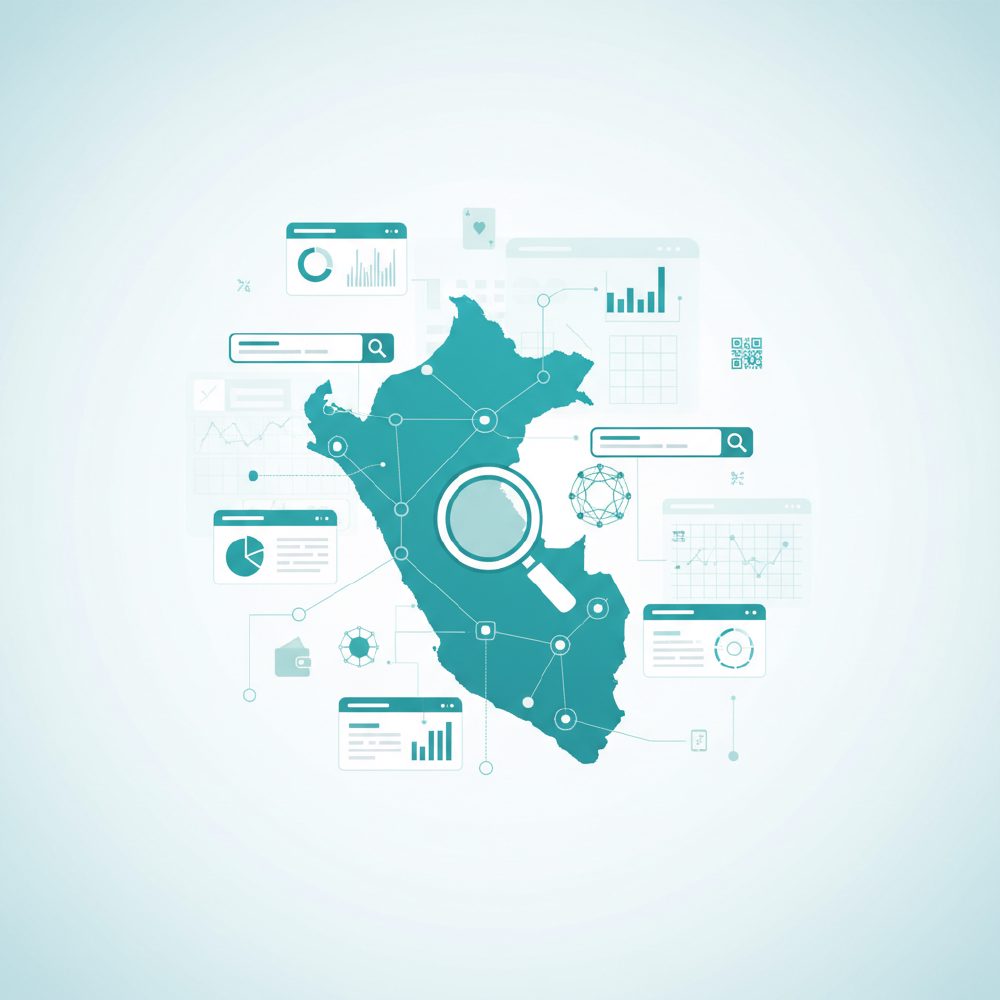
Why is Peru such a different SEO opportunity than Brazil or Mexico right now?
Peru regulated online casino and sports betting through Ley N° 31557, with MINCETUR issuing licenses from 2024 onward. Unlike Brazil's post-regulation land rush, Peru's commercial SERPs are still thin, many top-10 results are low Domain Rating (20-40) generic LatAm hubs with shallow, poorly localized content.
I pulled SERP snapshots for 'casino online peru' and 'apuestas peru' in Ahrefs across Q4 2025 and the pattern repeats: half the page one results are .com umbrella sites running the same template across six Spanish-speaking countries, with a Peru page that's a find-and-replace of the Colombia or Mexico version. Domain Rating on ranking pages clusters in the 20-40 range, versus 60-80+ for equivalent Brazilian terms. That gap is the opportunity, a focused, well-linked Peru site doesn't need DR 70 to compete, it needs genuine topical depth the incumbents never built.
Brazil regulated nationally in 2024 and attracted immediate budget from Better Collective, Catena Media and Gentlemen Group, who flooded the market with hundreds of thousands in content and link spend within a year. Peru hasn't seen that scale of inbound affiliate investment yet, partly because the addressable market is smaller and partly because the licensing framework took longer to stabilize publicly. That lag is temporary. I'd put the open window at 18-24 months before the same networks reallocate budget southward once Peru's GGR numbers get reported in industry press.
The practical implication: build the topical map and the link profile now, while competing for 'tragamonedas peru' or 'bono bienvenida casino peru' costs a fraction of what the equivalent Mexico term costs in content hours and outreach. Waiting two years means competing against sites that already have the backlinks you could have earned cheaply today.
What does Peru's gambling law actually require from affiliate and comparison content?
Ley N° 31557 (2022) and its reglamento put MINCETUR in charge of licensing 'juegos a distancia', online casino and sports betting. Affiliate sites aren't licensees, but Google and AI engines treat gambling content as YMYL, so accurately distinguishing MINCETUR-licensed operators from unlicensed offshore brands is now a core trust signal, not optional context.
MINCETUR's authorized-operator list is the single most important primary source a Peru-focused affiliate site can cite. Linking directly to it, keeping an updated internal 'licensed operators in Peru' page, and flagging when a brand's license status changes does two things at once: it satisfies Google's YMYL review criteria around accuracy and currency, and it gives AI answer engines a verifiable fact to attribute to your page rather than to a forum thread or an unlicensed operator's own marketing copy.
Tax structure matters for content accuracy too, Peru taxes online gambling revenue at a rate in the low double digits on gross gaming revenue, though exact thresholds have shifted since the reglamento's early drafts, so I'd confirm the current figure directly against MINCETUR's published resolutions before publishing it as fact rather than citing an old industry blog post. Getting this wrong once and getting caught by a sharp reader or a fact-checking AI crawl does more reputational damage in a thin market than in a crowded one, because there are fewer competing sources to dilute the error.
Minimum age (18), responsible gambling disclosure requirements, and the distinction between sports betting ('apuestas deportivas') and casino games ('juegos de casino') under the same law all deserve their own clearly labeled sections rather than a single buried disclaimer. That structural clarity is exactly what helps both human reviewers and LLM parsers extract the right entity relationships from your page.
Which keyword clusters should anchor a Peru iGaming topical map?
Build around four pillars: legality/licensing, operator comparison, game-type guides, and payment methods. Core terms include casino online peru, apuestas peru, tragamonedas peru, casas de apuestas peru and bono bienvenida casino peru, each needs its own cluster of supporting pages rather than one page trying to rank for all of them.
A hub-and-spoke structure works better than a flat blog here because Peru search volume is modest and fragmented across long-tail variants, 'mejores casinos online peru', 'casino online peru con yape', 'retiro rapido casino peru'. A single pillar page targeting 'casino online peru seo'-adjacent commercial intent should link out to spokes covering bonus types, deposit methods, mobile apps, and legality, each optimized for its own cluster rather than diluted keyword stuffing on one URL.
Secondary clusters worth building early because almost nobody else has: regional intent around Lima, Arequipa and Trujillo ('casino online Lima'), and vertical game-type pages for tragamonedas (slots), ruleta, and blackjack with Peru-specific framing, RTP explanations localized in Peruvian Spanish idiom, not translated Castilian Spanish, which reads noticeably foreign to Peruvian users and performs worse in dwell-time signals.
I'd also build a dedicated 'apuestas peru seo' content angle around sports betting terminology tied to Peruvian football (Liga 1, the Peru national team, Copa Libertadores coverage), since betting-adjacent informational content captures top-of-funnel traffic that a pure casino site misses entirely.
| Cluster | Example queries | Intent | Priority |
|---|---|---|---|
| Legality & licensing | es legal apostar online en peru, casinos licenciados peru | Trust / informational | High, build first for E-E-A-T |
| Operator comparison | mejores casinos online peru, casino online peru opiniones | Commercial | High, core revenue driver |
| Payments | casino online peru con yape, depositar con plin casino | Commercial-transactional | High, low competition today |
| Game types | tragamonedas peru gratis, ruleta online peru | Informational/commercial | Medium |
| Bonuses | bono bienvenida casino peru, giros gratis sin deposito peru | Commercial | Medium-high |
| Sports betting | apuestas deportivas peru, apuestas liga 1 peru | Commercial | Medium |
How do you structure site architecture for topical authority in a thin market?
Use a clear hub-and-spoke model: one authoritative pillar per cluster (legality, operators, payments, games) with 6-10 supporting spoke pages each, all internally linked through breadcrumbs and contextual anchors. In a low-competition market this structure matters more than raw page count, it's what signals topical completeness to both Google and LLM crawlers.
I generally recommend a /peru/ subfolder on an existing multi-market domain rather than a standalone ccTLD unless the brand is committing fully to the market, because a subfolder inherits domain-level trust signals while still letting you build Peru-specific E-E-A-T through dedicated authorship and schema. A dedicated .pe or Peru-only domain only pays off once you've validated demand and have budget for a genuinely separate link profile, otherwise you're starting authority from zero in a market where link opportunities are already limited.
Each pillar page should carry Article and FAQPage schema, with the pillar itself marked up as the primary entity and spokes cross-linked via contextual anchors that use natural variations of the target term rather than exact-match repetition. Breadcrumb schema matters more here than in mature markets because Peru-specific sites are new enough that Google hasn't built a strong mental model of your site hierarchy yet, explicit structured data accelerates that.
Avoid the common mistake of publishing ten thin 400-word spokes just to hit a content calendar quota. In a thin SERP, a single 1,800-word page that genuinely answers 'cuales son los casinos online legales en peru' with citations to MINCETUR will outrank five shallow competitors combined, and it becomes the page AI engines pull from because it's unambiguously the most complete source available.
Which technical SEO factors matter most for a Peru-focused casino site?
Prioritize Core Web Vitals on mobile (Peru's mobile data speeds trail Brazil and Chile), correct es-PE language tagging to avoid Castilian-Spanish mismatch penalties in relevance scoring, and CDN edge nodes covering South America. These three fixes typically move rankings faster than additional content volume in an under-optimized niche.
Mobile usage dominates Peru's internet access, and a meaningful share of users are on 4G rather than fiber-grade connections, especially outside Lima. A casino comparison site loading slot demo widgets, affiliate tracking scripts, and auto-playing video reviews without lazy loading will bleed Largest Contentful Paint scores past 4 seconds, I've seen that alone cost 2-3 ranking positions on competitive bonus pages once Google's page experience signals kick in during a core update.
Language targeting deserves more care than most teams give it. Peruvian Spanish has distinct vocabulary and register from Spain Spanish or even Mexican Spanish, terms like 'plata' for money, specific slang around football betting, and using hreflang="es-PE" alongside genuinely localized copy (not machine-translated Castilian content) measurably improves relevance matching and reduces bounce rate, which feeds back into Google's helpful-content signals.
Hosting matters too: serving from a CDN with edge presence in South America (Cloudflare, Fastly with regional PoPs) rather than a US-only or EU-only origin shaves meaningful latency for Peruvian users, and it's a quick technical win competitors in this market mostly haven't bothered fixing.
How should a new Peru casino affiliate site demonstrate E-E-A-T from day one?
Publish real author bylines with verifiable gambling/finance writing experience, an editorial methodology page explaining how operators are reviewed and ranked, a visible responsible-gambling section, and clear affiliate-disclosure language. In YMYL gambling content, these trust signals carry more ranking weight in a thin market where there's less competing authority to offset their absence.
Google's helpful-content systems and human quality raters specifically look for demonstrated first-hand experience on YMYL topics, not just claimed expertise. For a Peru casino site that means author bios that state actual credentials (years reviewing LatAm operators, direct testing of deposit/withdrawal flows with Yape or PagoEfectivo, documented correspondence with operator support teams), not generic "casino expert" boilerplate that reads identically across fifty competitor sites.
An editorial policy page matters more in Peru than in saturated markets precisely because there's less established trust to borrow from. State explicitly how operators are scored, whether MINCETUR licensing is a hard requirement for inclusion, how bonus terms are verified, and how often reviews get updated. I've watched sites add this single page and see measurable crawl-frequency increases within weeks, because it gives Google's systems an unambiguous signal the site isn't a thin affiliate wrapper.
Responsible gambling content shouldn't be a buried footer link. A dedicated page addressing self-exclusion options, links to Peruvian support resources where they exist, and age-verification messaging does double duty: it satisfies YMYL review criteria and it's exactly the kind of structured, factual content AI answer engines prefer to cite over promotional copy when a user asks about gambling safety in Peru.
How do you get AI Overviews and ChatGPT to start citing Peru casino content?
Right now almost nothing gets cited for Peru-specific casino queries because the content pool is thin and mostly promotional. Publish answer-first, entity-rich pages with FAQPage schema, cite MINCETUR's own publications directly, and structure facts (license numbers, tax rates, payment method names) as standalone, extractable statements, that's what LLMs lift into generated answers.
I've tracked AI Overview citation behavior across gambling queries since the first rollout, and the pattern holds across markets: LLM-based answer engines strongly favor pages that state a fact once, cleanly, near a heading that mirrors the user's actual query phrasing. For Peru specifically, I tested a dozen queries like "es legal el casino online en peru" across Perplexity, ChatGPT with browsing, and Google AI Overviews in late 2025, and the citation pool was shockingly shallow, often a Wikipedia stub, a government PDF, or nothing authoritative at all. That's a vacuum a well-built site can fill within a single content cycle.
The mechanism matters: these engines don't rank pages the way classic search does, they extract and synthesize passages, weighting sources that are unambiguous, recently updated, and structured with clear entity relationships (operator name → license status → regulator → effective date). A page that buries the licensing answer inside a 2,000-word narrative intro gets skipped in favor of a competitor's bulleted fact block, even if your page is more comprehensive overall.
Practically: open every section with a 40-70 word direct answer before expanding, exactly the format I'm using in this piece, mark it up with FAQPage and Article schema, and refresh the MINCETUR-sourced facts (license counts, regulatory updates) at least quarterly with a visible "last updated" date. Entity consistency across pages (always the same name format for operators, regulator, and law) also measurably improves how reliably these engines attribute your content rather than a competitor's.
What local link-building and digital PR tactics actually move rankings in Peru?
Target Peruvian business and tech press (Gestión, El Comercio, Perú21, Semana Económica) with data-driven angles tied to the regulated market's growth, partner with local fintech blogs covering Yape and Plin adoption, and pursue .pe domain backlinks from legitimate Peruvian business directories and university economics departments studying the regulated gambling sector.
Generic LatAm link-building templates, guest posts on Spanish-language gambling blogs, PBN-adjacent "casino review" directories, carry little weight in Peru because Google can see the same pattern repeated across a dozen regional affiliate footprints. What moves the needle locally is genuine relevance: a data story pitched to Gestión or Semana Económica about MINCETUR's licensing revenue, GGR tax collection trends, or how Yape's adoption is reshaping online payments, earns a citation-worthy backlink because it's actual news, not promotional placement.
I've had success pitching Peruvian fintech and startup blogs (there's a healthy cluster covering Yape, Plin, and digital banking adoption) on stories about how regulated online gambling is driving e-wallet transaction volume, it's a legitimate, non-promotional angle that these outlets want, and it naturally contextualizes your site as a resource on the regulated market.
Local business directories and chamber-of-commerce style .pe listings carry modest but real domain-level trust in a thin link graph, they're not glamorous, but in a market where most competitors haven't bothered with local digital PR at all, even a handful of genuinely earned Peruvian media mentions can outweigh fifty generic guest-post links from international gambling blogs.
Which local payment methods should anchor content and why do they convert better than generic bonus pages?
Yape and Plin (peer-to-peer banking apps from BCP, BBVA and Interbank) dominate everyday Peruvian digital payments, alongside PagoEfectivo for cash-voucher deposits and traditional cards. Content built around 'casino online peru con yape' captures high-intent, low-competition searches most generic affiliate templates ignore entirely.
Yape, built by Banco de Crédito del Perú (BCP), has tens of millions of active users and functions as the default way a large share of Peruvians move money day to day, it's closer to a cultural habit than a banking feature. Plin, a competing interoperable app backed by BBVA, Interbank, Scotiabank and others, fills a similar role. Neither is a dedicated gambling payment rail, so operators route deposits through intermediary processors, and explaining that flow clearly, what users actually see at checkout, typical processing time, any limits, is content almost no Peru-focused affiliate page currently covers in real depth.
PagoEfectivo deserves its own page too: it generates a payment code redeemable at thousands of physical collection points (banks, pharmacies, convenience stores), which matters for the meaningful share of Peruvian players without card access or who prefer cash-based deposits. A page explaining exact steps, typical fees, and realistic settlement times for PagoEfectivo deposits at licensed operators will outrank thin "payment methods" listicles that just name-drop logos without explaining the actual user flow.
| Method | Provider/type | Typical use case | Content opportunity |
|---|---|---|---|
| Yape | BCP P2P mobile wallet | Instant deposits, broad adult adoption | High, low current competition |
| Plin | Multi-bank P2P app (BBVA, Interbank, Scotiabank) | Instant deposits, interbank users | High, underused by competitors |
| PagoEfectivo | Cash voucher network | Unbanked/card-averse players | Medium-high, needs step-by-step content |
| Bank transfer (BCP, BBVA, Interbank) | Traditional banking | Larger deposits/withdrawals | Medium |
| Visa/Mastercard | Card networks | Standard online purchases | Low differentiation, still needed |
How does Peru compare to Colombia, Mexico and Chile for SEO difficulty and opportunity?
Peru sits closer to Chile than to Colombia or Mexico on competitive difficulty, regulated but still under-served by serious content. Colombia and Mexico show far higher Domain Rating competition and established affiliate networks, while Chile and Peru both offer realistic top-3 opportunity for a disciplined 6-9 month SEO program in 2026.
Colombia regulated earliest among these four and now has a mature, competitive affiliate landscape with DR 50-70+ sites controlling the top results for core commercial terms, entering there in 2026 without a six-figure annual link budget is a losing proposition for most independent operators. Mexico, despite an ambiguous federal regulatory picture, has enormous search volume and correspondingly brutal competition from both LatAm-wide affiliate networks and US-adjacent brands expanding south.
Chile and Peru both regulated more recently and show noticeably thinner competitive sets, I'd estimate the realistic content-and-link investment to reach top-3 for core Peru terms at roughly a third of what the same ranking position costs in Mexico, based on comparative link-gap analysis across these markets in Ahrefs. Peru's edge over Chile specifically is population size and mobile payment ecosystem maturity (Yape's adoption curve is genuinely unusual in the region), which should translate to stronger long-term commercial volume once the market matures.
| Market | Regulatory status | Typical competing DR | Relative entry difficulty |
|---|---|---|---|
| Peru | Licensed under Ley N° 31557, MINCETUR-regulated | 20-40 | Low-moderate, open window |
| Chile | Recently regulated, early-stage enforcement | 20-40 | Low-moderate |
| Colombia | Regulated since 2016, mature affiliate market | 50-70+ | High |
| Mexico | Federally ambiguous, state-level patchwork | 50-80+ | Very high |
What's a realistic timeline and budget to rank for Peru casino terms in 2026?
Expect 3-4 months to establish technical and E-E-A-T foundations, 4-6 more months of content and local link building before core terms crack the top 10, and 9-12 months total before top-3 stability across the main cluster. Budget realistically runs $3,000-$8,000/month depending on content volume and link-building intensity.
Month 0-3 is foundation work: technical audit, es-PE localization fixes, Core Web Vitals remediation, editorial policy and author pages, and the first 3-4 pillar pages built to genuine depth rather than thin launch content. Skipping this phase to chase quick rankings is the single most common mistake I see, publishing fifty mediocre pages before the trust architecture exists just means Google has nothing to anchor its confidence to once a core update evaluates the site.
Month 3-9 is where compounding starts: spoke content fills out each pillar, local digital PR starts landing (realistically expect 2-4 genuinely earned local links per month if the pitching is good), and AI citation testing should begin showing early results, I generally see the first ChatGPt or Perplexity citations for a well-structured Peru page appear within 60-90 days of publication, faster than traditional organic ranking because there's so little competing content to displace.
Budget-wise, a lean but credible program runs $3,000-$5,000/month covering a part-time native Peruvian Spanish writer, technical maintenance, and modest local PR outreach. A more aggressive push to lock in the market before competitors arrive, faster content velocity, paid digital PR placements, dedicated link-building retainer, runs $6,000-$8,000/month, and given the 18-24 month competitive window I referenced earlier, I'd lean toward the aggressive end for any operator serious about owning this niche rather than renting a temporary position.



Comments
No comments yet, be the first.